
 SmartRecruitment.com attended SiGMA Asia Manila from June 3-5, led by CEO Ellen Frojd, who also participated in the panel "Women in the Gaming Industry." The event provided a valuable opportunity to connect with industry leaders and potential clients.
We had enriching discussions, explored new collaborations, and gained insights into the latest trends in the gaming sector. Thank you, SiGMA World, for organizing such a wonderful event! We look forward to continuing our conversations. #SiGMAAsia Great news! CEO Ellen Frojd and team of SmartRecruitment.com will be attending Sigma Asia Manila from June 3-5. The event will take place at the SMX Convention Center in Manila, Philippines. You can find us at Booth ST605 on the 2nd floor. This is a fantastic opportunity to meet our dynamic team, learn about our recruitment process, and discover how we can help with your recruitment needs. We’re excited to connect with industry leaders and professionals. Don't miss out—see you there! #SigmaManila #SmartRecruitment.com  Watch our CEO, Ellen Frojd, as she discusses the dynamic world of iGaming recruitment trends in Asia with Asia Gaming Brief. Discover the current recruitment trends and how AI is impacting the recruitment landscape. 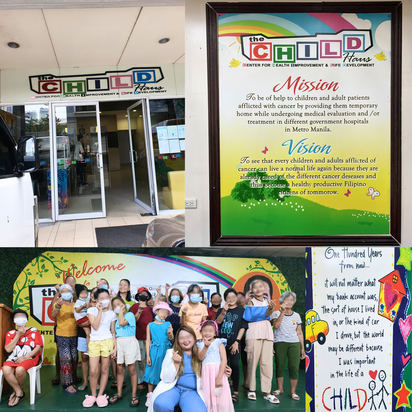 Our incredible team of recruiters and the entire company come together every quarter to support a cause close to our hearts. And the best part? Our company matches every donation we make, doubling the impact! This quarter, we sent our donation to a haven for kids in Manila, Philippines, battling cancer. It's amazing what we can accomplish when we come together. #TeamImpact
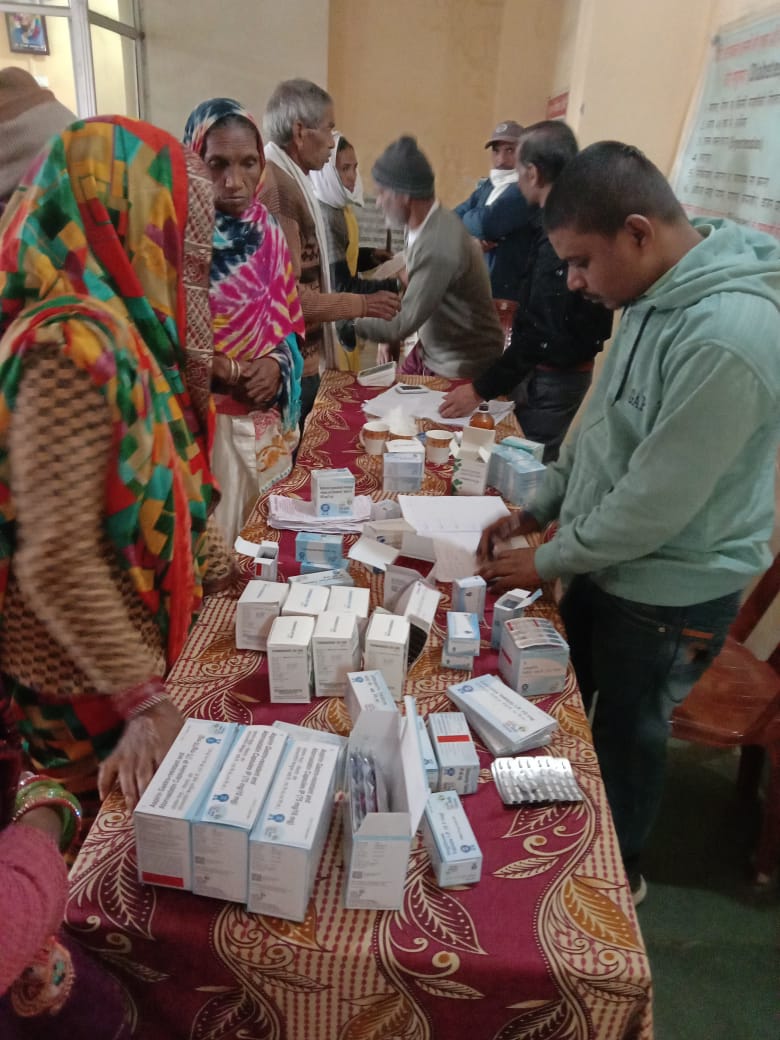
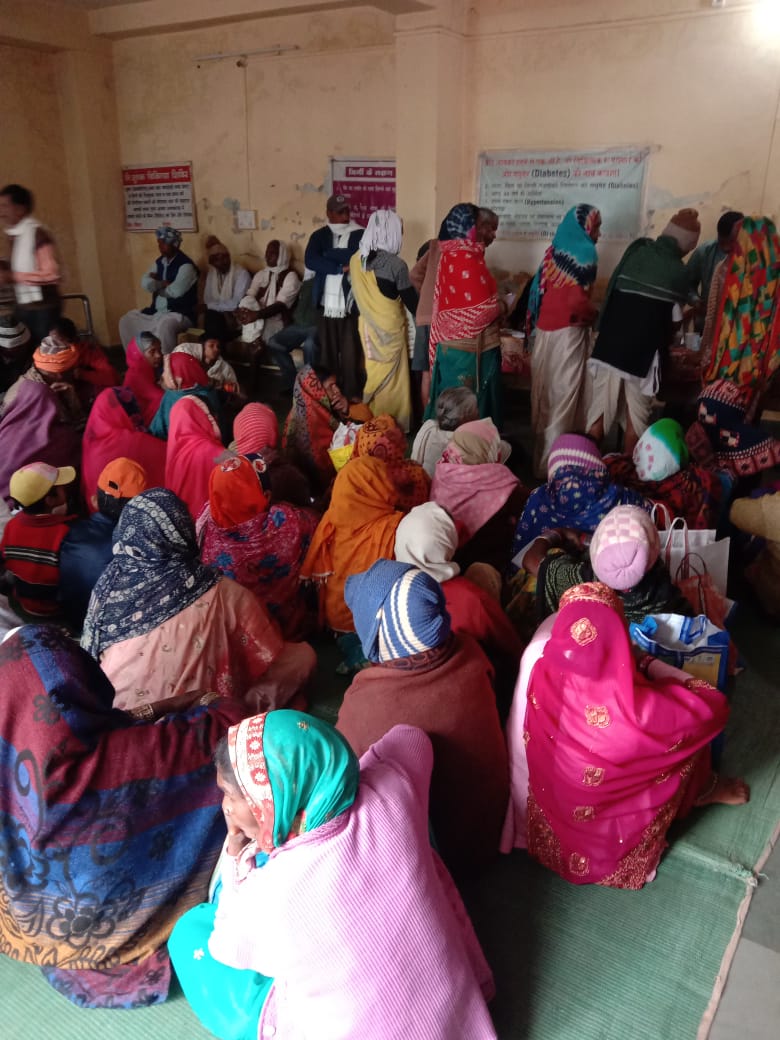
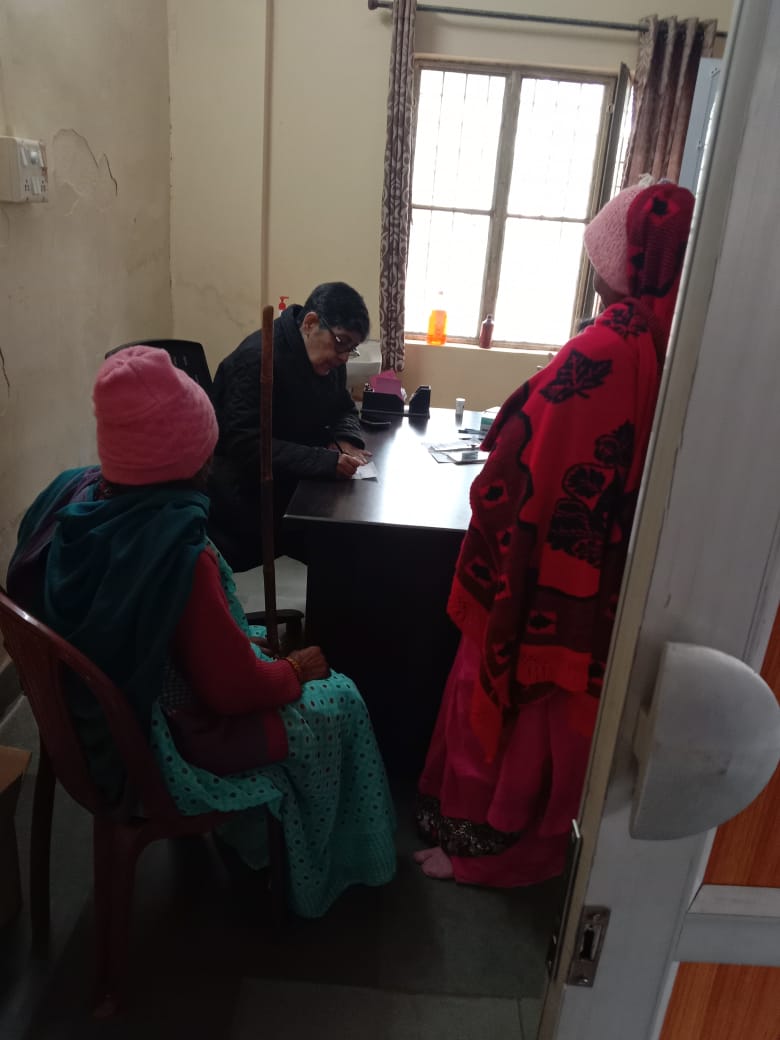
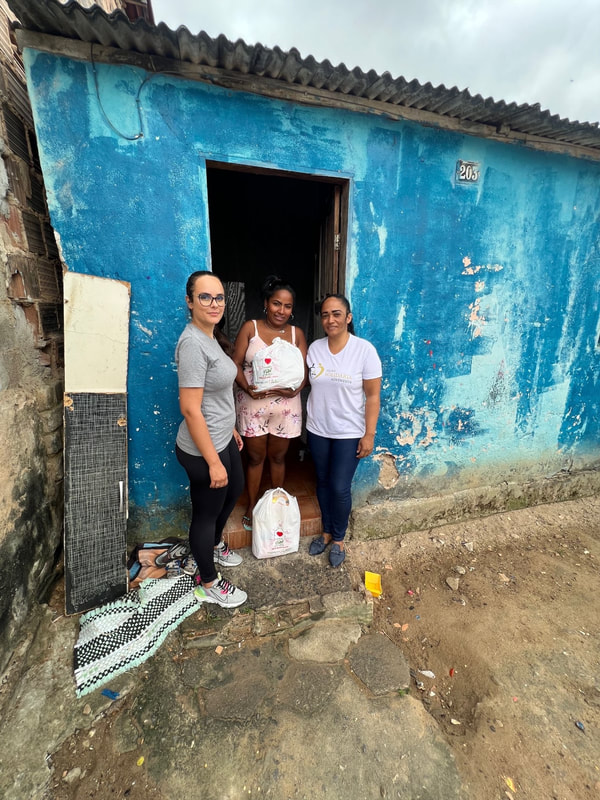
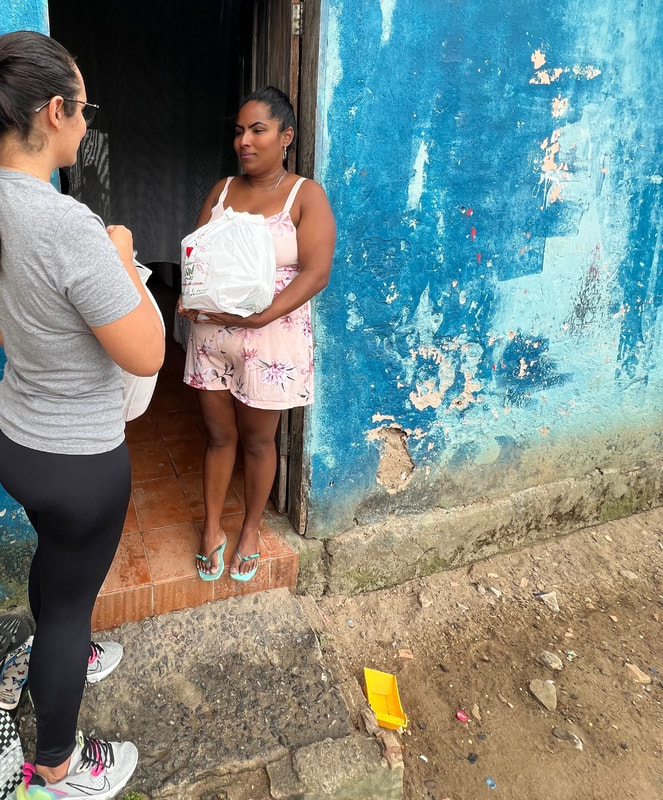
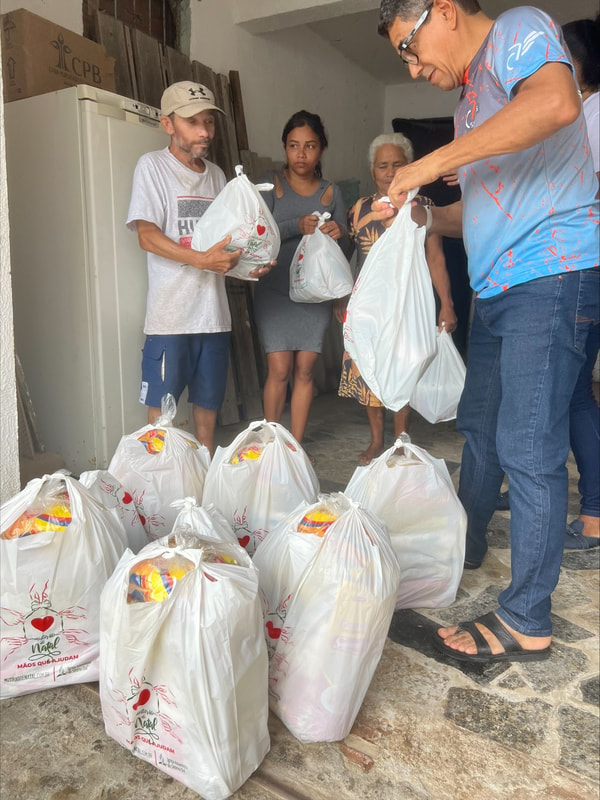
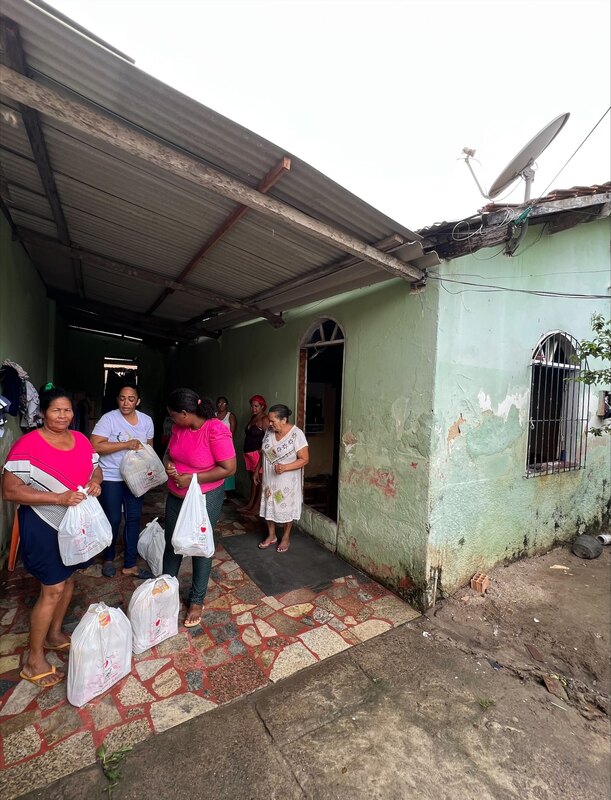
We have just completed our latest charity donation run, this time partnering with India Medical Camp to support their medical services to displace communities. Next up: the Philippines. Teamwork makes the dream work! Even while our team works remotely, we're united in supporting each other's chosen organizations in their home countries. 💪 #GivingBack #CommunitySupport  We are thrilled to welcome Somi as the latest addition to our team. Based in Thailand, Somi brings extensive expertise in VIP services, digital marketing, and senior business development within the iGaming industry. As we expand globally, the addition of the Thai language to our services will improve our ability to assist both our client and candidate partners in discovering their best match in Asia. Reach out to Ploywarat "Somi" Nithidechathorn through her LinkedIn or email at [email protected] We're happy to share our quarterly tradition! Each quarter, our team contributes to our chosen charitable initiative, and our company, SmartRecruitment.com matches our donations to double the impact. Sharing some snapshots from our recent visit with the families in the suburbs of São Paulo, Brazil. Next quarter, we will support a medical organization in India that provides healthcare to tribal communities through remote medical camps, including eye camps and more.  As the demand for our business in LatAm continues to grow, we are excited to introduce our newest team member. We have lately closed several new clients who will be using our services to find the right team members for their LatAm expansion. As a result, we have hired Adriana Montealegre, who has been a recruiter since 2018 and held various positions in Operations Management, Sales, and Marketing in the iGaming industry for several years. Connect with Adriana through her LinkedIn or email at [email protected] 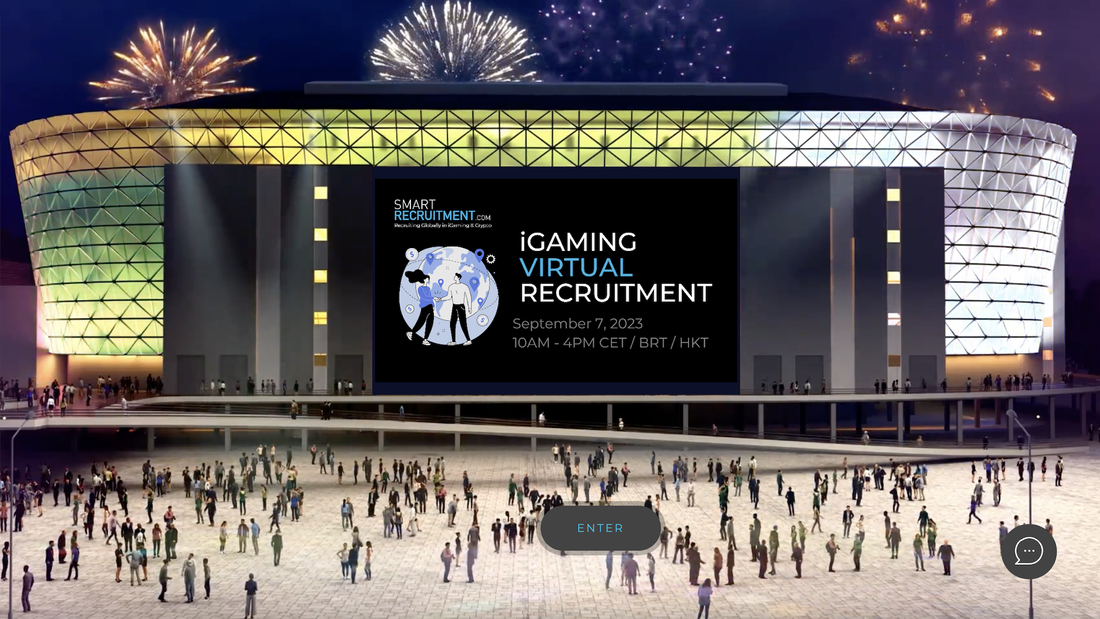 We are thrilled to share that our Virtual Recruitment Day on September 7th was a success, and we extend our heartfelt gratitude to everyone who supported and participated in this event.
The turnout exceeded our expectations, with more attendees than we had anticipated. If, for any reason, we missed the opportunity to connect with you during the event, we would be more than happy to chat with you. Send an email to [email protected]. Thank you once again for the support and let's stay in touch! |
AuthorWrite something about yourself. No need to be fancy, just an overview. Archives
June 2024
Categories |


 RSS Feed